Which. Where. When. A Framework for Fleet Electrification
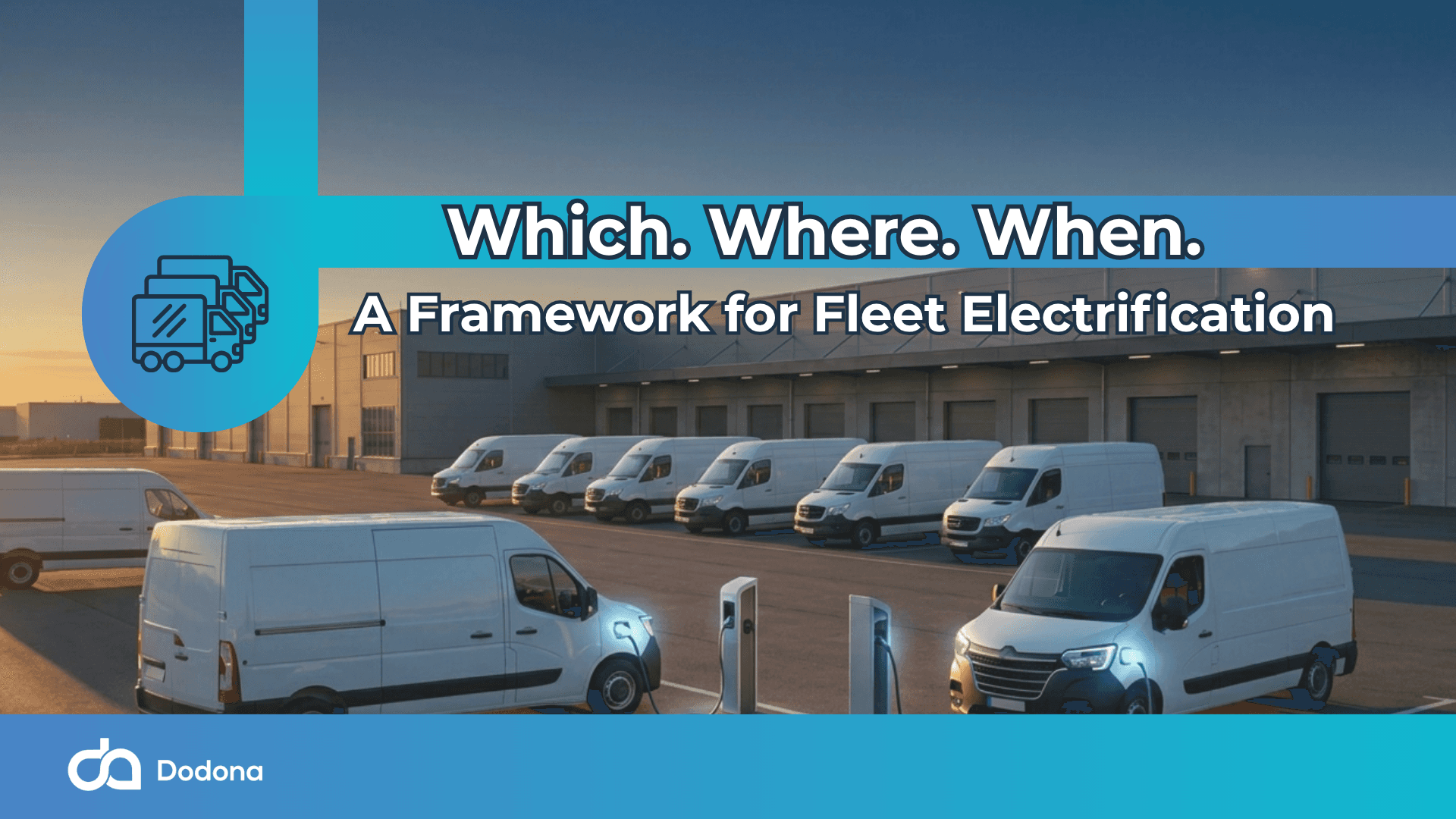
Most fleet operators know electrification is coming. The harder problem is figuring out where to start and how to structure something that still makes sense three years from now, when the market looks different.
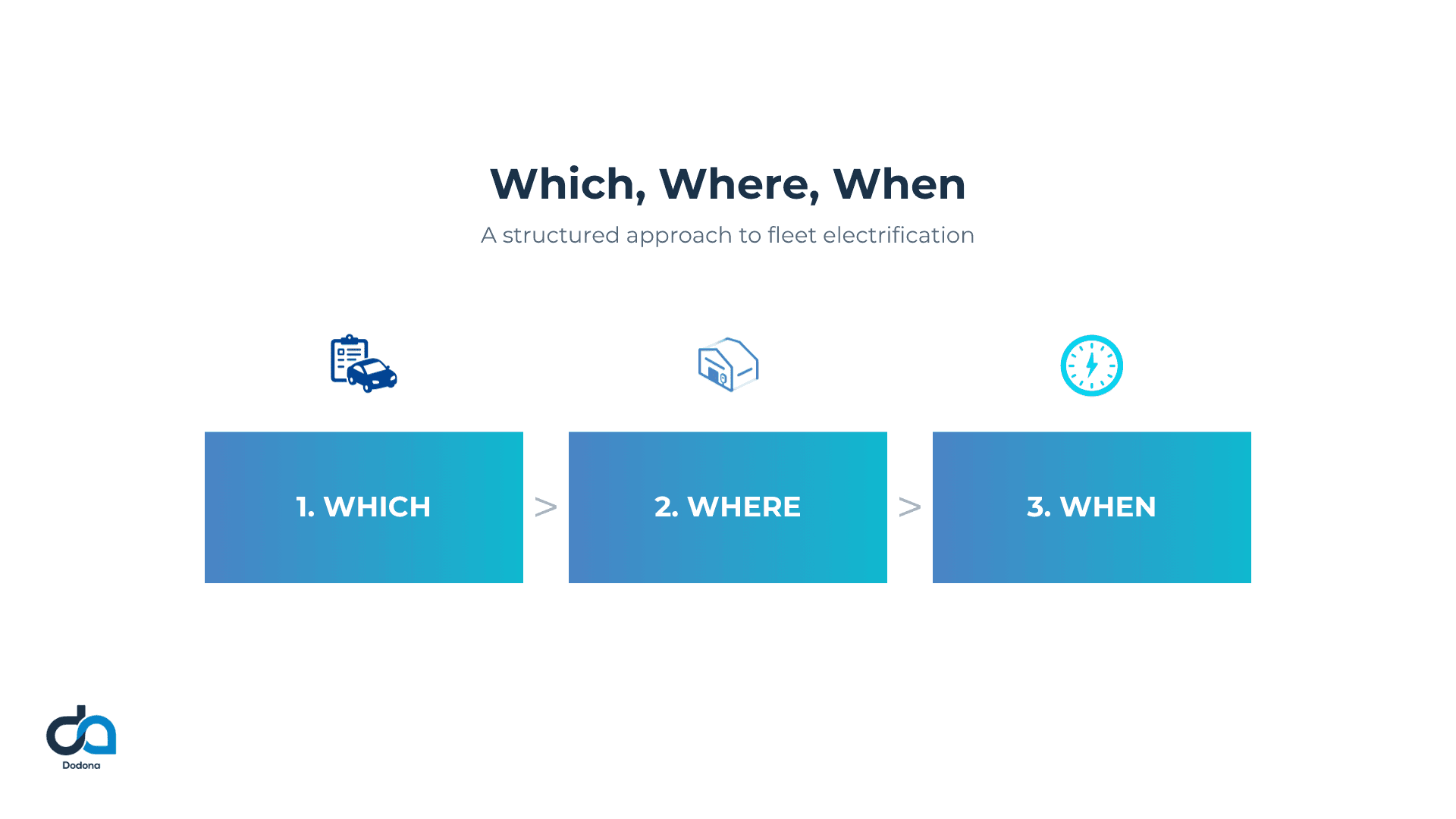
That tension comes down to three questions. Which vehicles can make the switch? Where will they charge? When to move and in what order? These questions look simple in isolation. In practice, they are intertwined in ways that make it almost impossible to answer one without the other.
The answer to which vehicles to electrify first depends on where your charging infrastructure will be located. Your infrastructure decisions depend on how your vehicles move. Your phasing depends on both. Get one wrong, and your vehicles will not operate.
Which vehicles can transition
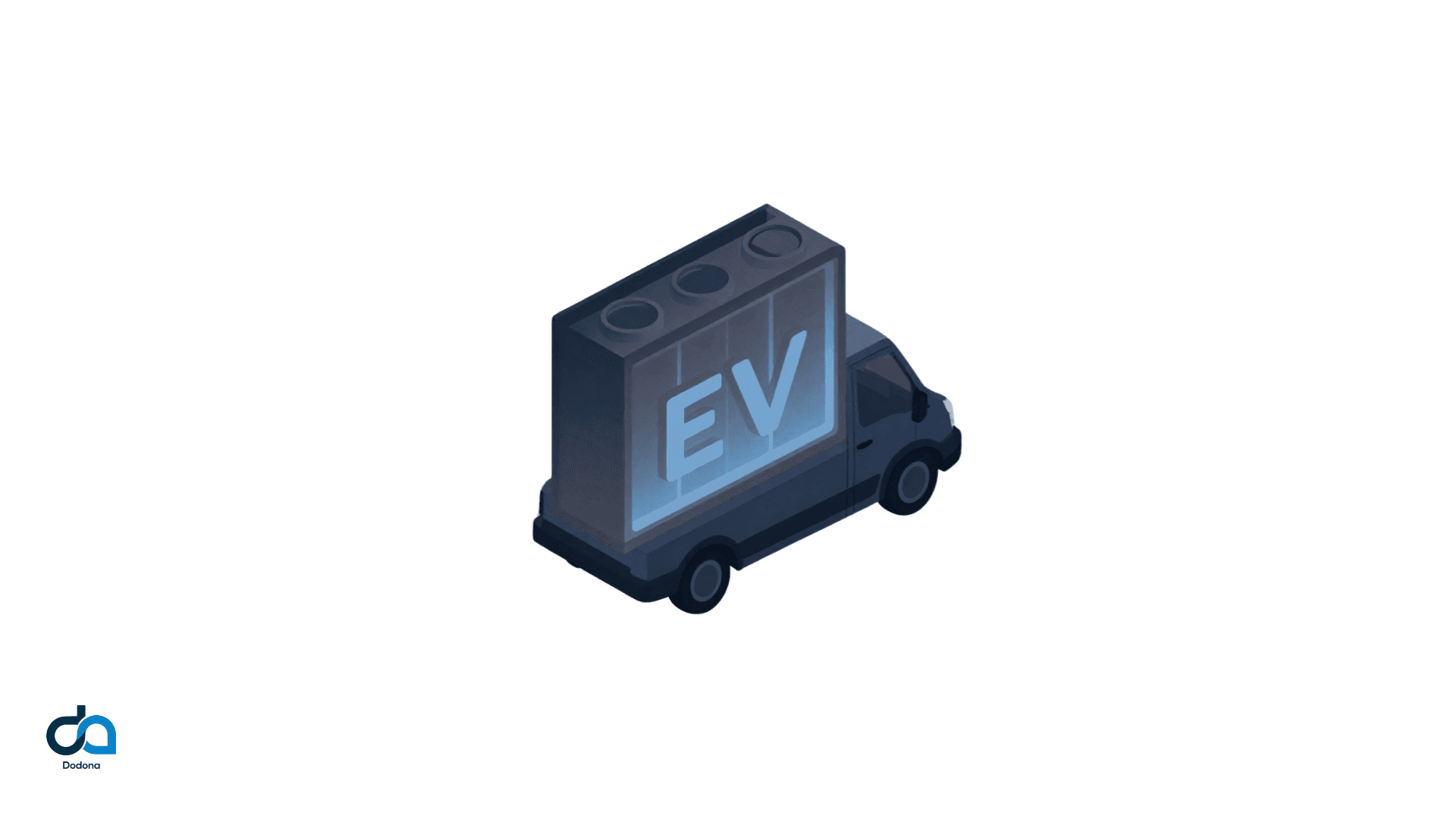
Not every vehicle in your fleet is ready at the same time, and trying to transition them all at once is a reliable way to run into trouble.
The vehicles that switch cleanly are those running shorter, more predictable routes. Vehicles that return to a depot or home location overnight. Drivers who dwell somewhere long enough to top up. Routes where daily mileage sits comfortably within the range of available EVs.
Identifying those vehicles requires actual data. Telematics records that show how far each vehicle travels, where it stops, and for how long. Upload that data, and you can see, vehicle by vehicle, which ones would have had range issues over the last year if they had been running on electric. The ones with no issues are your starting point.
The ones that do not make the cut yet are not failures. They just need a different approach and likely a different timeline. Some will become viable as public networks grow around the routes they use, or as you build your own charging infrastructure. Others will get easier as EV ranges keep improving: the average in 2020 sat at around 330 to 420 kilometres; by 2025, it had moved to 380 to 500 kilometres. What looks difficult today often looks straightforward two years later.
This is not about being conservative. It is about having confidence that you will have an operational electric fleet.
Where will they charge
An electric vehicle can only operate if it can charge. This is where most electrification plans run into their first real problem.
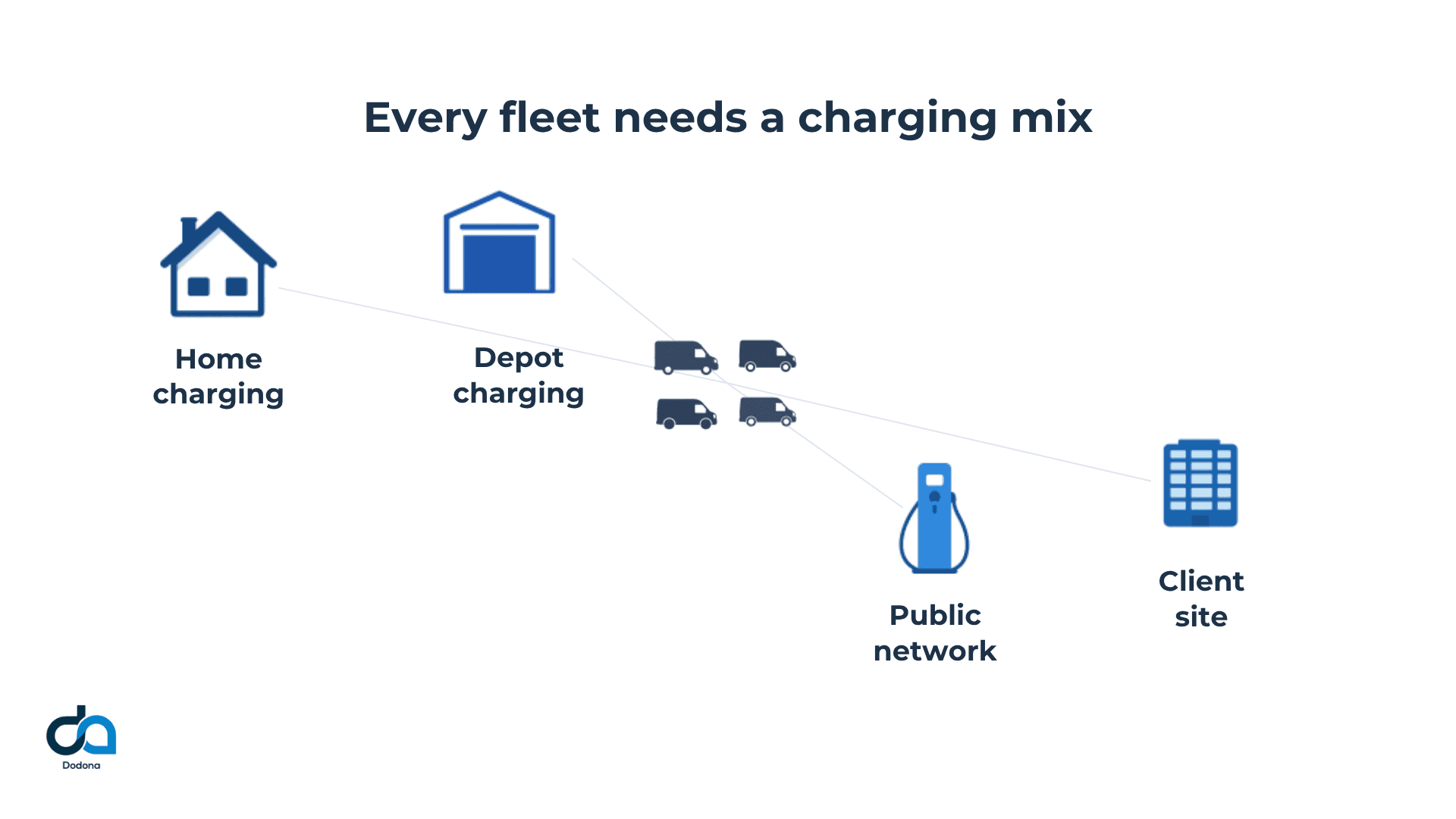
For any fleet, multiple charging options operate in parallel: at home, at depots or offices, at client and partner locations, and on public or dedicated networks. Each plays a different role, and the right mix depends entirely on how your fleet operates.
Home charging is the simplest lever for the right vehicles. A driver plugs in overnight and leaves with a full battery every morning. For vehicles with moderate daily mileage and drivers who have a home charging station, that is often all you need. The infrastructure cost is relatively low, and the logistics are straightforward. But not all drivers have driveways and the option to charge at home.
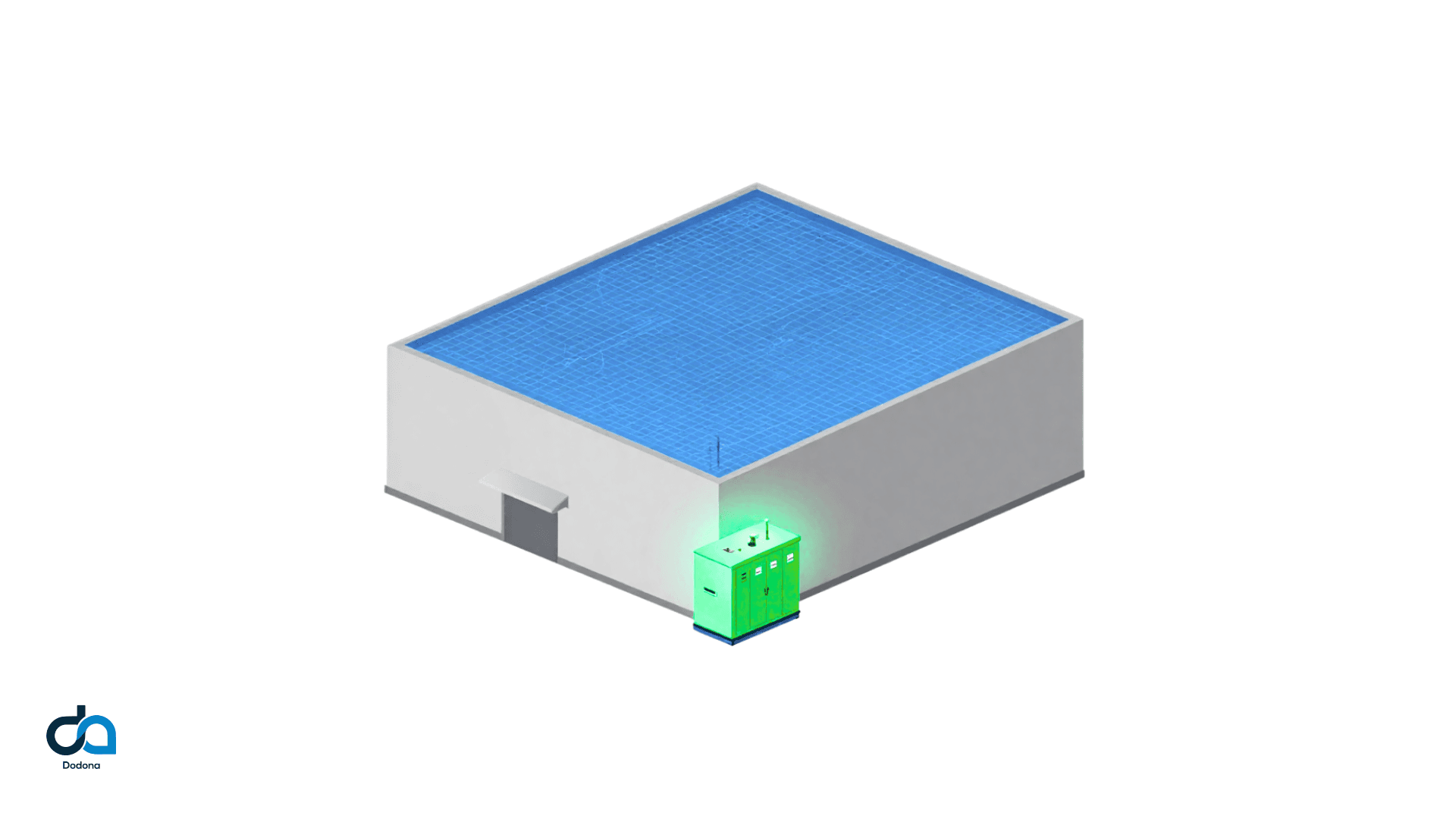
Depot charging handles vehicles that need more. A warehouse, a logistics hub, an office car park: if vehicles dwell there for a meaningful window, chargers there make use of time that would otherwise be wasted. But depots can be constrained by power availability, so you may not have enough capacity to charge all vehicles at once.
Public networks can sometimes fill the gaps. A vehicle that runs long distances needs a reliable on-route recharging option. The question is which public networks actually cover the routes your fleet uses, and whether partnering with one over another gives your vehicles better access or better commercial terms.
There are also questions worth thinking through before you commit to anything. Do you need to build your own charging infrastructure beyond your locations? Can you charge at your clients or partners locations? What does it mean for your business if a vehicle cannot be recharged at the time planned?
The answer is almost always a mix. If you want to go deeper on how different charging scenarios stack up against each other, the tradeoffs between depot, home, public, shared, and semi-public charging are covered in detail in the Which charging scenario suits my fleet article we posted previously.
When to make the switch
Timing matters. Starting with the wrong vehicles undermines confidence in the programme as a whole. Starting without considering the charging infrastructure creates the same problem from a different angle.
Fleet electrification is not a two-week Excel exercise. For most fleets, replacing the entire fleet takes seven to ten years. Vehicles have amortisation cycles of seven or eight years, which means each year roughly a seventh of the fleet becomes a candidate for replacement. You are not making one big decision. You are making a sequence of smaller ones across a longer time horizon.
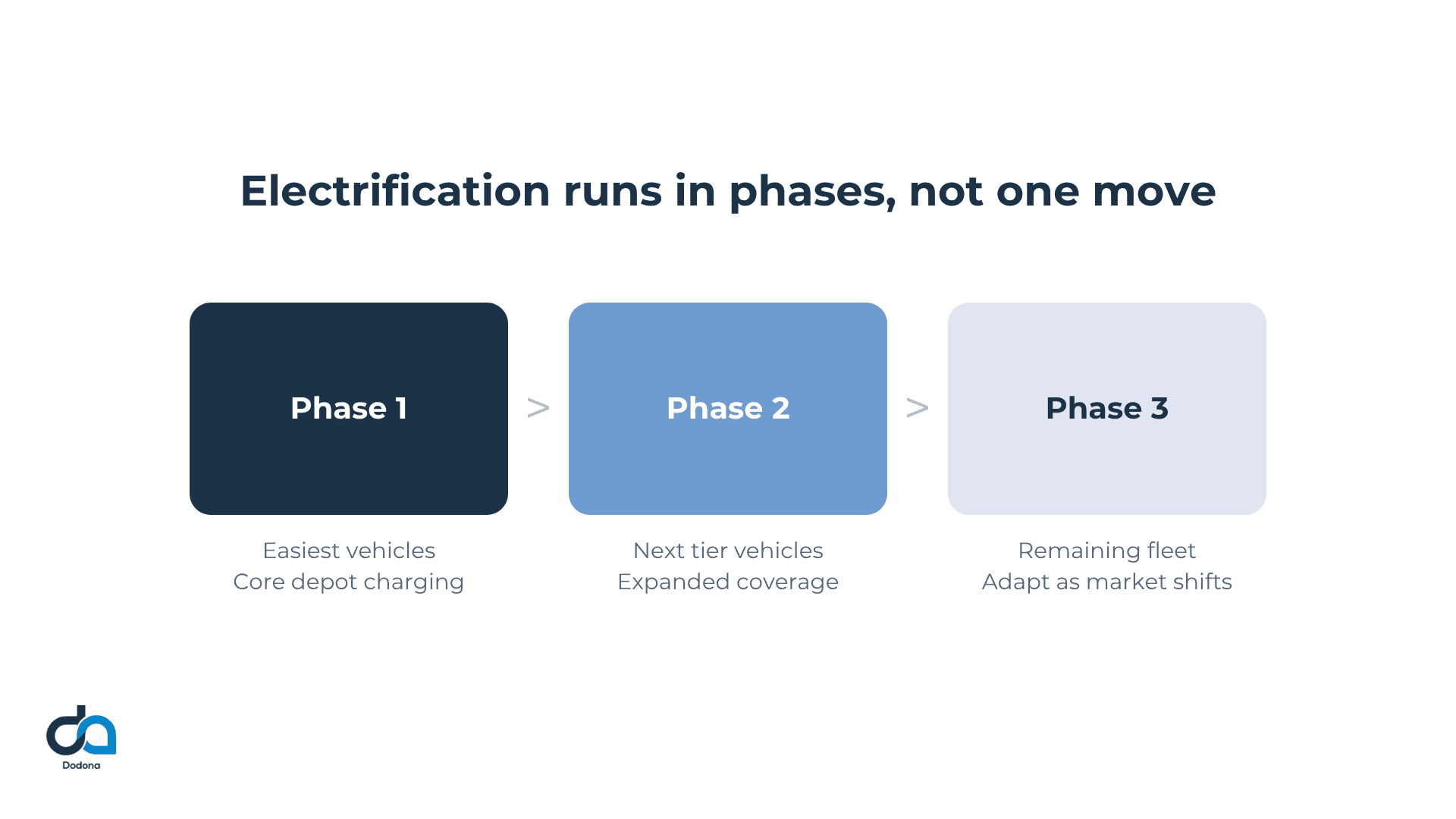
Phase one should be tight and well-studied. You know which vehicles you are electrifying, which charging infrastructure you are installing, the costs, and the rollout. Start with what is genuinely ready and do it properly.
Phase two is typically more directional. You have a solid working plan, but you hold it loosely, because by the time you execute it, the market will have moved. EV ranges have been shifting steadily. Charger costs have come down. Public networks have grown. The cases that were not ready in phase one will look different by then.
Phase three and beyond should leave room to adapt. A plan that cannot flex to a rapidly changing market is not a plan. It is a liability.
The goal is not a detailed ten-year fixed roadmap. It is a structured phased plan with enough flexibility in the outer years to respond to a market that will undoubtedly look different by the time you get there.

Why do most tools only answer one of the three
There are tools that help you optimise routes for individual vehicles. There are tools that help you decide where to put chargers at a single site. What has been missing is something that looks at which, where, and when together and maps them onto how your fleet actually operates.
Fleet management software was built around different problems. It understands scheduling, driver management, and maintenance cycles. It was not built for the new layer of complexity that electrification adds: understanding which vehicles are ready, mapping them against actual charging coverage, and sequencing the entire electrification project across multiple sites and years.
Dodona comes from a long-standing heritage. The platform was built to help charging point operators understand where and how to deploy EV charging infrastructure. That same analytical foundation, built on real charging data, real network coverage, and real vehicle behaviour, is what fleet operators need when they are working out what an electrification project actually looks like for their own operation.
The CPO fit analysis overlays your fleet's actual stop locations and estimated battery states onto the public charging infrastructure in your area. You can see exactly how well different networks cover your routes and where depot or home charging needs to fill the gaps. That connection between vehicle behaviour and charging reality is what turns a transition plan into something you can actually execute.
What this looks like in practice
A fleet of 180 vehicles. You upload the telematics data, the records of where each vehicle went and when. The platform analyses it and shows you, for each vehicle, how that driving pattern would have worked with a specific EV model. Most of them are green. A handful have days where they would have needed a top-up somewhere. One or two have routes that are genuinely difficult.
You can immediately see which vehicles to electrify first. You can see which public charging operators have sites along the routes your difficult vehicles take. You can add a depot location and watch the analysis update. Fewer range concerns. A clearer picture of what infrastructure you actually need.
Then you structure it into phases. Phase one: the easy vehicles, depot chargers at your main site, and home charging for drivers who can use it. Phase two: the next tier, expanded public network coverage, potentially a second site. And so on.
That is the conversation Dodona makes possible. Which vehicles. Where they charge. When to move. Answered together rather than one at a time in a vacuum.
Book a 30-minute demo and bring your questions. No commitment required:
Read more about fleet electrification on the Dodona blog.
Explore our new fleet lading page and read the case study.
Dodona helps fleet operators make better EV charging decisions. Clients include E.ON Drive, Mercedes-Benz, Bosch, and TotalEnergies.

Leading charge point operators trust our intelligent platform to optimize and scale their EV charging business with data-driven insights and AI automation.
Follow us:
Get in Touch
128 City Road, London, EC1V 2NX
370 Jay St, 7th Floor, New York, 11201
Dunajska cesta 5, 1000, Ljubljana
© Dodona Analytics Ltd